

The wine business faces an existential threat
A version of this article originally appeared in Quartz’s members-only Weekend Brief newsletter. Quartz members get access to exclusive newsletters and more. Sign up here.
For the first time since Prohibition, the global wine industry faces an existential threat. Consumption has fallen to levels not seen in decades, and the structural decline suggests this is not a temporary slump but a permanent realignment of the market.
Global wine consumption fell 3.3% in 2024 to 214.2 million hectoliters, the lowest level since 1961, according to the International Organisation of Vine and Wine (OIV). Production dropped 4.8% to 225.8 million hectoliters, also a six-decade low. The industry has seen a wave of vineyard removals across major wine-producing regions, from California’s Central Valley to France’s Languedoc-Roussillon to Germany’s Mosel.
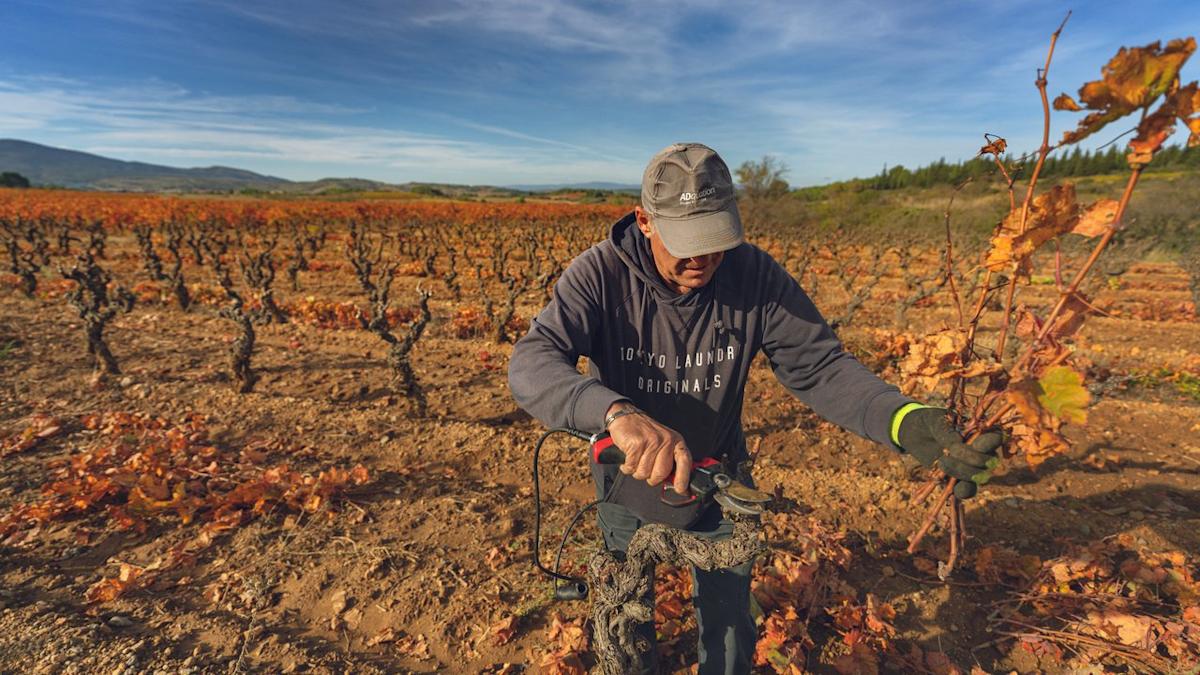
California growers left an estimated 300,000 tons of grapes unharvested in 2024 and removed 37,000 acres of vines, with industry groups calling for another 50,000 acres to come out in 2025. French producers in some regions tore out 14% of their vines. Germany expects to lose up to 10% of Mosel’s vineyard area over the next decade.
The crisis cuts across price points and prestige levels. Germany’s bulk wine segment sells at 70 cents per liter against production costs of at least 1.30 euros. California’s Lodi region, which supplies grapes for mass-market brands, saw widespread contract cancellations from buyers who had purchased fruit for decades. Even premium regions felt the pressure, with Napa Valley growers struggling to find buyers in 2024.
The fundamental driver of declining consumption is demographic. Generation Z drinks 20% less alcohol than millennials did at the same age, and when younger consumers do drink, they increasingly choose spirits, hard seltzers, or THC beverages over wine.
The Baby Boomer generation, which turned wine into a lifestyle accessory and status symbol, is now aging out of its drinking years. Silicon Valley Bank, which has tracked the U.S. wine industry for decades, forecasts that the impact from declining Boomer consumption will peak between 2029 and 2031.
But that’s not the only thing holding wine back. Unlike the 1990s, when a 60 Minutes segment on the “French paradox” suggested red wine could be healthy, current scientific consensus holds that even moderate alcohol consumption carries cancer risks. Public health advocates are pushing for higher alcohol taxes, stricter marketing regulations, and prominent health warnings on bottles. Almost a quarter of French adults aged 25 and under (who, only a few decades ago, would have been served wine in school) now abstain from alcohol entirely.