

What a possible Fed rate cut would mean for your finances
NEW YORK (AP) — The Federal Reserve is expected to cut its benchmark interest rate Wednesday for the first time in nine months. Since the last cut, progress on inflation has slowed while the labor market has cooled. That means Americans are dealing with both high prices and a challenging job market.
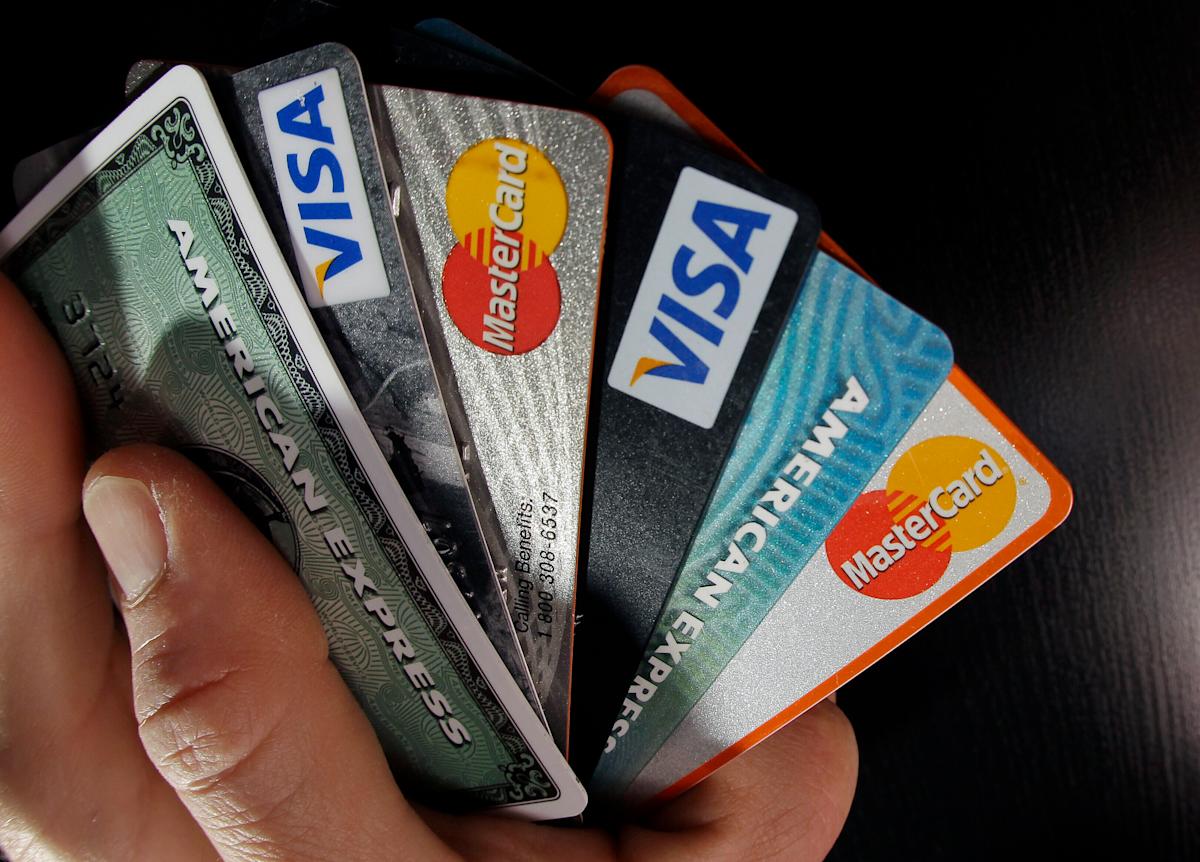
The federal funds rate, set by the Federal Reserve, is the rate at which banks borrow and lend to one another. While the rates that consumers pay to borrow money aren’t directly linked to this rate, shifts in Fed policy affect what people pay for credit cards, auto loans, mortgages, and other financial products.
The Fed has two goals when it sets the rate: one, to manage prices for goods and services, and two, to encourage full employment. This is known as the “dual mandate.” Typically, the Fed might increase the rate to try to bring down inflation and decrease it to encourage faster economic growth and more hiring. The challenge now is that inflation is higher than the Fed’s 2% target but the job market is weak, putting the Fed in a difficult position.
“The dual mandate is always a balancing act,” said Elizabeth Renter, senior economist at personal finance site NerdWallet.
Here’s what to know:
A cut will impact mortgages gradually
For prospective homebuyers, the market has already priced in the rate cut, which means it’s “unlikely to make a noticeable difference for most consumers at the time of the announcement,” according to Bankrate financial analyst Stephen Kates.
“Much of the impact on mortgage rates has already occurred through anticipation alone,” he said. “(Mortgage) rates have been falling since January and dropped further as weaker-than-expected economic data pointed to a cooling economy.”
Still, Kates said a declining interest rate environment will provide some relief for borrowers over time.
“Whether it’s a homeowner with a 7% mortgage or a recent graduate hoping to refinance student loans and credit card debt, lower rates can ease the burden on many indebted households by opening opportunities to refinance or consolidate,” he said.
Interest on savings accounts won’t be as appealing
For savers, falling interest rates will slowly erode attractive yields currently on offer with certificates of deposit (CDs) and high-yield savings accounts.
Right now, the best rates on offer for each have been hovering at or above 4% for CDs and at 4.6% for high-yield savings accounts, according to DepositAccounts.com.
Those are still better than the trends of recent years, and a good option for consumers who want to earn a return on money they may want to access in the near-term. A high-yield savings account generally has a much higher annual percentage yield than a traditional savings account. The national average for traditional savings accounts is currently 0.38%.