

Quantum computing is coming. Corporate America isn’t ready
A version of this article originally appeared in Quartz’s members-only Weekend Brief newsletter. Quartz members get access to exclusive newsletters and more. Sign up here .
Quantum computing has been one of tech’s most reliable running jokes for decades: always revolutionary, always five years away. But while CEOs sprint to slap “AI-powered” on everything they sell, quantum researchers keep quietly achieving breakthroughs that suggest the perpetually distant future might arrive during an extremely inconvenient news cycle.
Microsoft announced it created a new state of matter to power quantum computers earlier this year. In December, Google built a machine that solved in five minutes what would take conventional supercomputers longer than the age of the universe. IBM promises a fault-tolerant quantum computer , which can correct its own errors and run reliably, by 2029, cutting down the perpetual five-year timeline to four.
Even skeptics are changing their tune. Nvidia CEO Jensen Huang, who previously suggested quantum computers were 15 to 20 years away from being useful, declared in June that “quantum computing is reaching an inflection point” and said “ we are within reach ” of solving real problems in the coming years.
The problem? Unlike deploying ChatGPT, quantum readiness requires years of preparation that most companies haven’t started. Quantum computers harness the strange behavior of subatomic particles — which can exist in multiple states simultaneously — to process information exponentially faster than traditional computers for certain calculations.
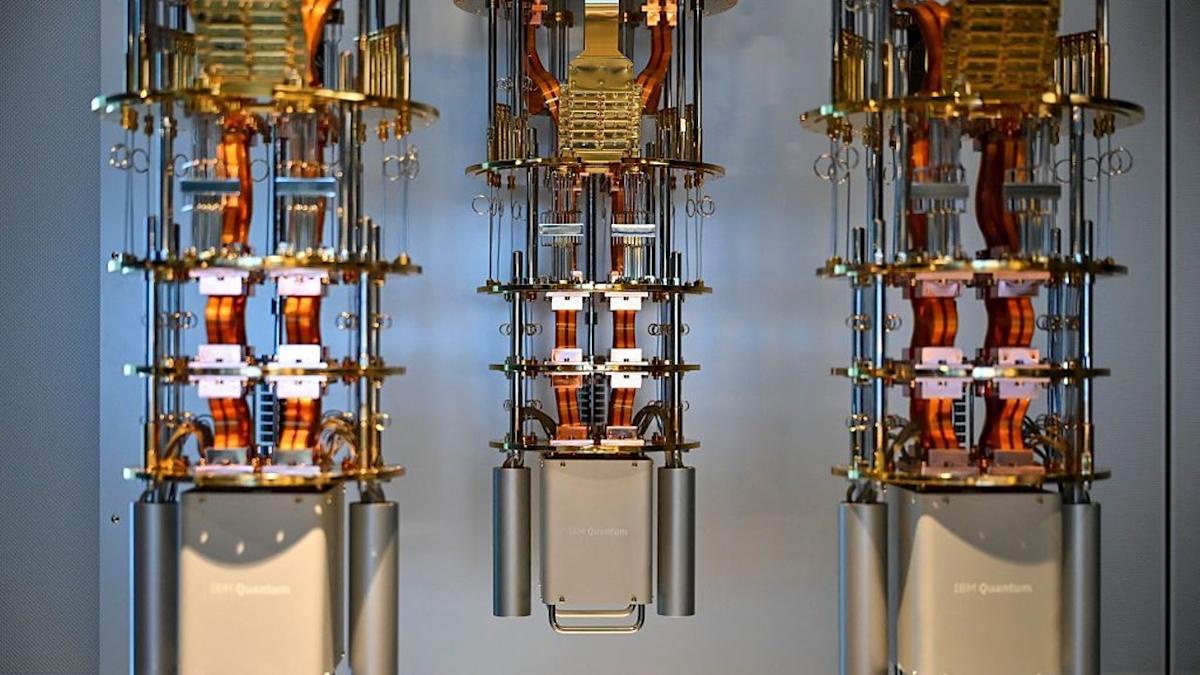
The machines require extreme cooling (hundreds of degrees below zero) and specialized chips that look nothing like conventional semiconductors. There are maybe a few thousand people globally who understand both quantum mechanics and its business applications. Most organizations are about as prepared for quantum’s arrival as Blockbuster was for Netflix.
This blindness has consequences. Companies that started quantum experiments years ago are quietly building institutional knowledge while competitors focus elsewhere. More than 1,100 quantum patents have been filed in the past five years, according to Deloitte’s analysis. The consulting firm recently issued scenario planning research warning that the few organizations continuing quantum investments during the AI frenzy may find themselves holding significant advantages when commercial applications suddenly arrive.
Perhaps the biggest barrier to quantum readiness is human capital. Unlike AI, where companies can retrain existing developers or hire from a growing pool of data scientists, quantum computing requires specialized knowledge of quantum mechanics, advanced mathematics, and physics that can’t be learned in a weekend bootcamp.