
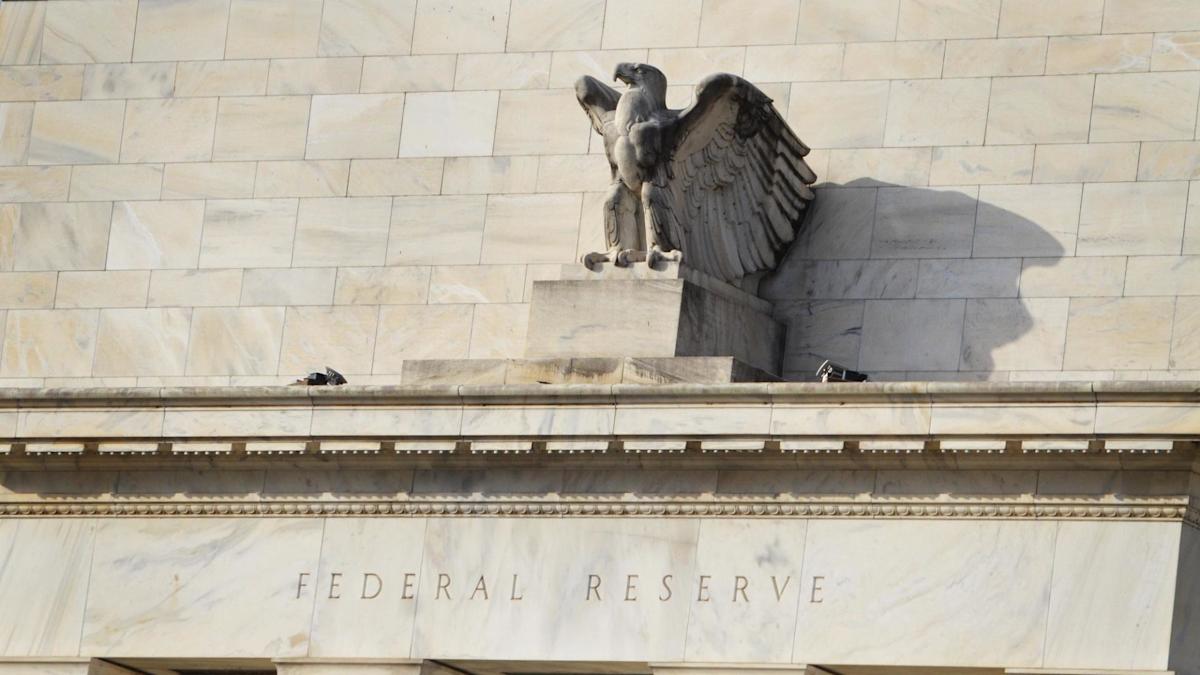

Bitcoin Bulls Bet on Fed Rate Cuts To Drive Bond Yields Lower, But There’s a Catch
On Sept. 17, the U.S. Federal Reserve (Fed) is widely expected to cut interest rates by 25 basis points, lowering the benchmark range to 4.00%-4.25%. This move will likely be followed by more easing in the coming months, taking the rates down to around 3% within the next 12 months. The fed funds futures market is discounting a drop in the fed funds rate to less than 3% by the end of 2026.
Bitcoin (BTC) bulls are optimistic that the anticipated easing will push Treasury yields sharply lower, thereby encouraging increased risk-taking across both the economy and financial markets. However, the dynamics are more complex and could lead to outcomes that differ significantly from what is anticipated.
While the expected Fed rate cuts could weigh on the two-year Treasury yield, those at the long end of the curve may remain elevated due to fiscal concerns and sticky inflation.
The U.S. government is expected to increase the issuance of Treasury bills (short-term instruments) and eventually longer-duration Treasury notes to finance the Trump administration’s recently approved package of extended tax cuts and increased defense spending. According to the Congressional Budget Office, these policies are likely to add over $2.4 trillion to primary deficits over ten years, while Increasing debt by nearly $3 trillion, or roughly $5 trillion if made permanent.
The increased supply of debt will likely weigh on bond prices and lift yields. (bond prices and yields move in the opposite direction).
“The U.S. Treasury’s eventual move to issue more notes and bonds will pressure longer-term yields higher,” analysts at T. Rowe Price, a global investment management firm, said in a recent report.
Fiscal concerns have already permeated the longer-duration Treasury notes, where investors are demanding higher yields to lend money to the government for 10 years or more, known as the term premium.
The ongoing steepening of the yield curve – which is reflected in the widening spread between 10- and 2-year yields, as well as 30- and 5-year yields and driven primarily by the relative resilience of long-term rates – also signals increasing concerns about fiscal policy.
Kathy Jones, managing director and chief income strategist at the Schwab Center for Financial Research, voiced a similar opinion this month, noting that “investors are demanding a higher yield for long-term Treasuries to compensate for the risk of inflation and/or depreciation of the dollar as a consequence of high debt levels.”
These concerns could keep long-term bond yields from falling much, Jones added.