

Why some iPhone 17 buyers are already facing long waits
Apple’s preorder opening today laid bare the usual tensions: the models people want most, the ones Apple can ship, and the places where the rules can get in the way. By the time a customer’s first cup of coffee had cooled, some Pro Max variants were already slipping into delayed delivery windows. While in China, the ultrathin “Air” got tripped up by regulation.
Preorders went live at 8 a.m. ET with first deliveries slated for Friday, Sept. 19. Early readouts showed the iPhone 17 Pro Max drifting beyond launch day — in many cases into early- to mid-October — while the iPhone 17, iPhone 17 Pro, and the new iPhone Air largely still showed that September delivery date in the U.S.
The synchronized rollout had a notable gap. In mainland China, the iPhone Air didn’t make the starting gun. The iPhone Air was pulled from preorder there while eSIM approvals make their way through regulators and carriers — a design choice that plays well globally but hits local policy friction in one of the company’s most important markets.
The rest of the lineup continues on the original timetable in that market, but the pause matters for mix, momentum, and the story Apple wanted to tell about a simultaneous debut. Apple now lists the Air’s release information in China as “to be updated later,” and local carrier support is contingent on regulatory sign-off. China’s three state operators are set to support eSIM, but approvals are still pending. And until the Air clears local hurdles, Apple’s China launch is incomplete.
Pricing landed where Apple set it earlier this week — $799 for the iPhone 17, $999 for the iPhone Air, $1,099 for the iPhone 17 Pro, and $1,199 for the iPhone 17 Pro Max — and the base storage across the lineup is 256 GB.
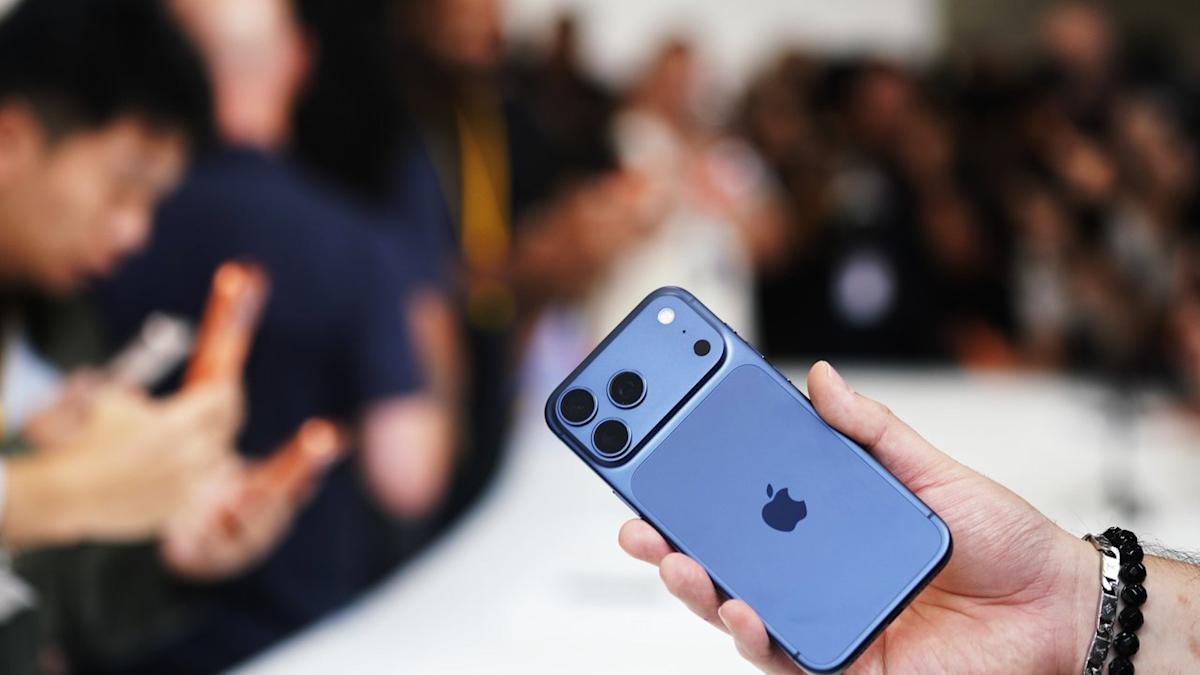
Color choices are already shaping purchase decisions: the Pro pair ships in cosmic orange, deep blue, and silver (and the absence of a classic black finish is already a subplot in buyer chatter); while the standard 17 comes in black, lavender, mist blue, sage, and white. Those options sound cosmetic, but finish choices can be the difference between a Sept. 19 doorstep and a later delivery, especially when layered with storage tiers.
Carrier economics are doing their annual lift and adding a dose of marketing gloss. Big trade-in deals running into four figures promise “free” upgrades on paper, but the small print is familiar: 24- to 36-month bill credits tied to premium plans. Apple and major retailers are happy to sell phones unlocked at full price, though the richest subsidies sit behind plan commitments. For many buyers, that math — short-term outlay versus long-term lock-in — is as important as launch-day bragging rights. Apple, for its part, is amplifying that message with its own “save up to $1,100 with carrier offers” language as preorders open.