
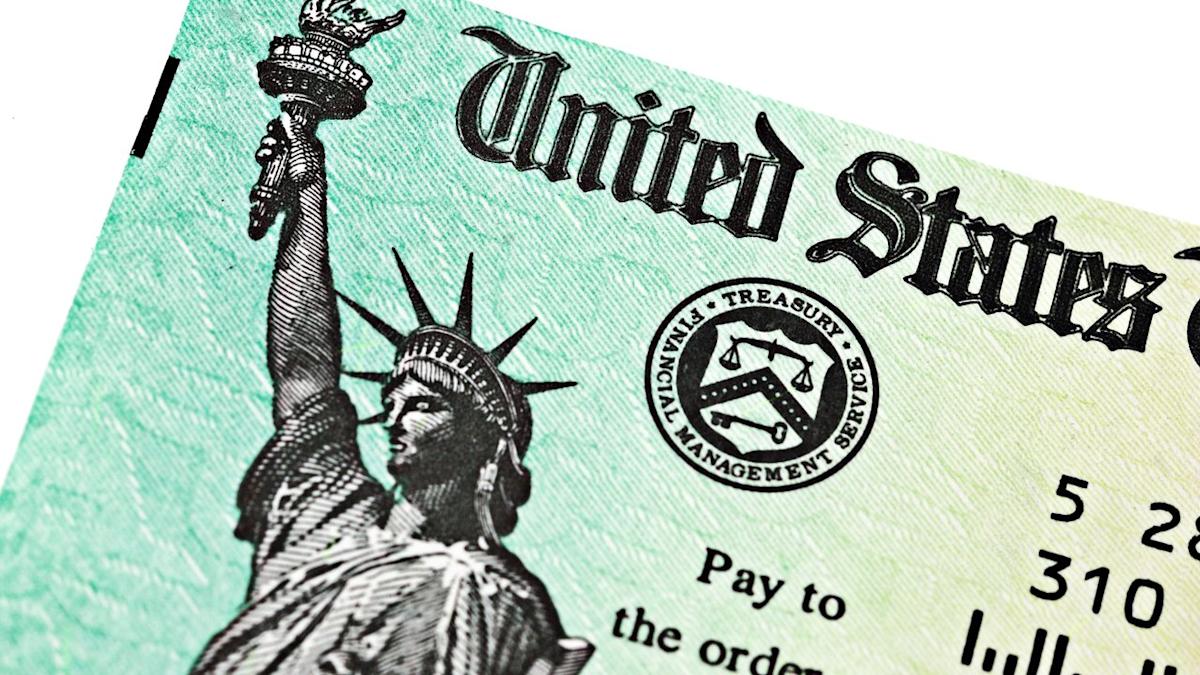

This is the last month the government will send paper checks
If you haven’t set up direct deposit with the Social Security Administration or the Internal Revenue Service , it’s time to do so.
Starting Sept. 30, the federal government will no longer send out paper checks to citizens, which could be problematic for some people. The move to electronic payments, which was part of an executive order signed by Donald Trump in March, is designed to save the government money and reduce fraud. Checks cost roughly 50 cents to issue, while electronic payments work out to just 15 cents.
Social Security recipients and people receiving Veterans benefits will be the first to see the impact of the change – and most of those people already receive their payments electronically. Just one percent of people on Social Security rely on paper checks.
Come tax season, though, it could be a more jarring transition. Two out of every 10 taxpayers get their refunds via check, according to the IRS . Many of those people do not have bank accounts, often because they are homeless, disabled, or uncomfortable with sharing their bank information with the government.
There are a few options for those people. The government will help them set up bank accounts at FDIC: GetBanked or MyCreditUnion.gov . Alternatively, they can opt for a Treasury-sponsored debit card by calling 800-967-6857.
Most Americans will not need to take any action.
“Reducing paper checks has been a longstanding bipartisan goal that our administration is finally putting into action. Thanks to President Trump, this will help reduce fraud and theft. It will also remove delays that prevent hardworking Americans from receiving their vital payments,” said Secretary of the Treasury Scott Bessent in a statement.