

Wednesday’s Fed Meeting Will Be Extraordinary. Here’s Why

Drew Angerer / Getty Images
A legal battle is proceeding about whether Fed Governor Lisa Cook will take her seat at next week’s meeting.
-
Fed officials are likely to cut the central bank’s benchmark interest rate by a quarter-point Wednesday to boost the rapidly slowing job market.
-
Policymakers have grown more worried about the health of the labor market than the outlook for inflation, for the time being at least.
-
Fed officials will also release their projections for future interest rate cuts, and could reveal an accelerated cutting timetable for the months ahead.
-
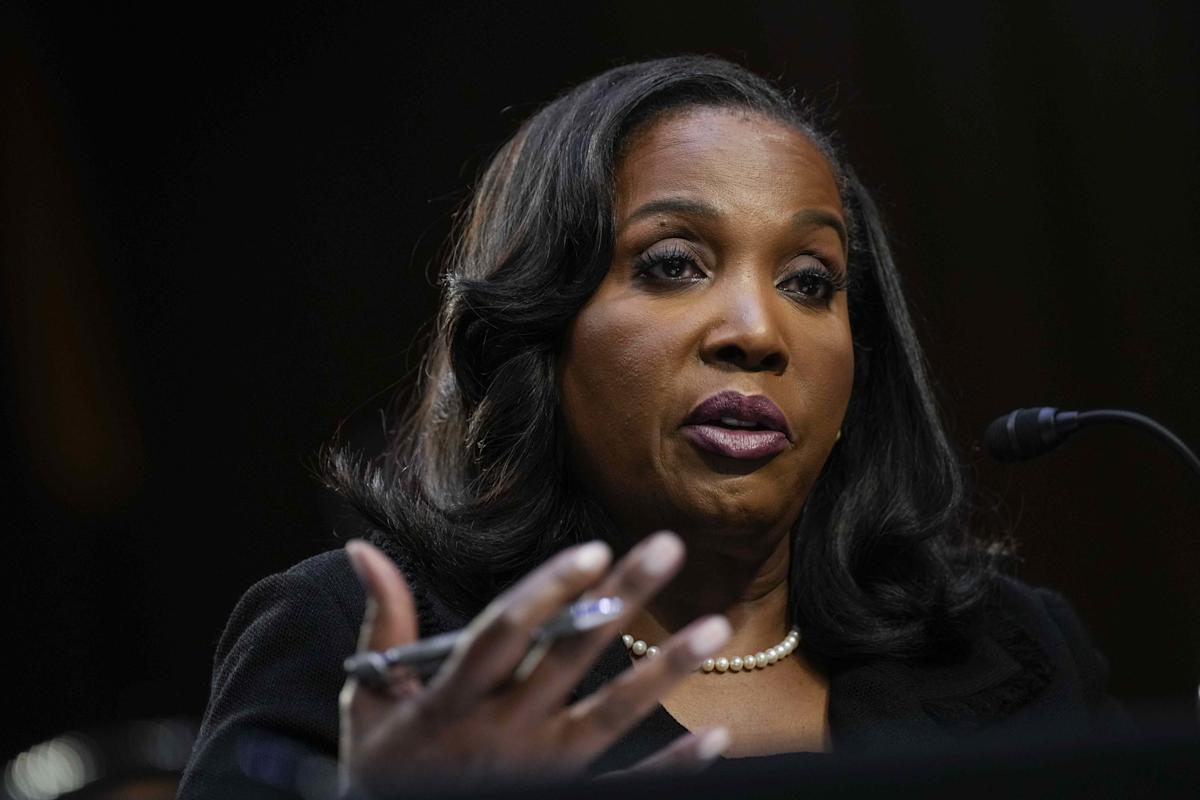
It’s unclear whether Fed governor Lisa Cook, whom Trump has attempted to fire, will take her place at the policy meeting: Her status is now in the hands of a judge.
The Federal Reserve is widely expected to cut rates Wednesday, at the conclusion of a two-day meeting that is full of more intrigue than usual.
One aspect of the meeting is a foregone conclusion: The central bank will almost certainly cut its benchmark interest rate by a quarter-point to a range of 4% to 4.25%, in an effort to lower borrowing costs and boost the ailing job market. Other decisions are more up-in-the-air, including who will be on the Fed’s interest rate committee and its outlook for future rate cuts.
With inflation running hotter than the Fed’s goal of a 2% annual rate while the job market is also faltering, the Fed is facing a fundamental challenge to its dual mandate to keep inflation low and employment high.
The Fed is also under enormous political pressure from the White House. President Donald Trump has demanded steep interest rate cuts and tried to fire Fed Governor Lisa Cook.
As of Friday, financial markets were pricing in near certainty that the Fed will cut a quarter-point, with a 6.6% chance of a half-point cut instead, according to the CME Group’s FedWatch tool, which forecasts rate movements based on fed funds futures trading data. It would be the first rate cut since December.
The Fed would need to keep rates elevated to prioritize fighting inflation, which Trump’s tariffs could stoke. But if it aims instead to support the job market, it will cut rates. Many economists say Trump’s economic policies, especially his sweeping campaign of import taxes, have both lifted inflation and hurt jobs.
Lately, the job market has shown more red flags than the inflation outlook, making the Fed more likely to cut. According to the latest government data, the economy has gained very few jobs since May and even lost jobs in June. In addition, the bureau downwardly revised its job creation estimates for late 2024 and early 2025 by 911,000.
Meanwhile, inflation rose in August, but probably not at a high enough rate to discourage the Fed from cutting rates. Consumer prices rose 2.9% over the last 12 months, according to the Consumer Price Index, the highest reading since January. “Core” inflation, which excludes volatile prices for food and energy, was at 3.1% over the year, well above the Fed’s 2% target.
“Despite bubbling inflation, we believe that the precarious state of the labor market will motivate the Fed to cut interest rates in September and further into next year,” economists at Wells Fargo Securities wrote in a commentary.